

Parking on the pavement: The law explained
Published August 04, 2026
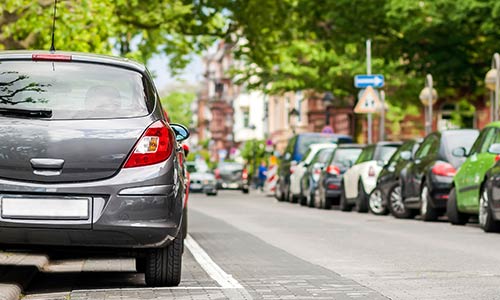
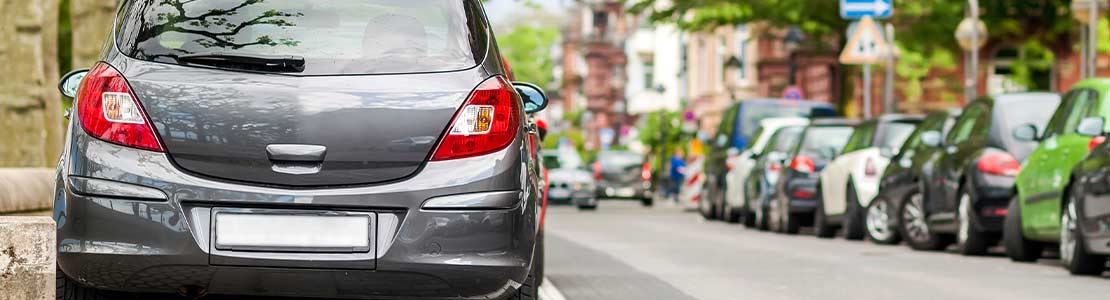
Parking on the pavement is illegal in London, where a ban has been in place since 1974, and has been enforceable nationwide in Scotland since December 2023.
Throughout England and Wales, it is generally permitted unless signage indicates otherwise. This is changing, though.
Two changes are in motion that could affect this. A Private Members’ Bill introduced by Labour MP Marsha De Cordova is progressing through Parliament and could extend similar restrictions to the rest of England and Wales.
Separately, the English Devolution and Community Empowerment Act 2026 has already received Royal Assent, creating a framework for English councils to gain broader powers to restrict pavement parking, though secondary legislation is still needed before councils can use them.
In this guide, we’ll explain the current laws, why Scotland and London have different rules - and what changes may be coming soon.
Get a free valuation
Is it illegal to park on the pavement?
Outside of London and Scotland, parking on the pavement itself is not illegal, unless prohibited by local signage, or in a small number of places (such as Exeter) with their own outright ban. However, there are some circumstances in which you can be fined for doing so, which has led to confusion among many motorists.
The Highway Code and pavement parking
- Rule 244 of the Highway Code, updated in April 2025 to reflect Scotland's pavement parking ban, states that drivers ‘must not’ park partially or wholly on the pavement in London or Scotland, with exceptions allowed only in limited circumstances, and ‘should not park partially or wholly on the pavement elsewhere unless signs permit it’.
- In practice, this means drivers in London and Scotland are legally required not to park on the pavement, while elsewhere it's advisory guidance rather than a legal requirement, though a driver can still be fined under separate rules covering obstruction or local restrictions.
- Separately, Rule 242 of the Highway Code states: “You must not leave your vehicle or trailer in a dangerous position or where it causes any unnecessary obstruction of the road."
- If your car is reported to the police or seen by a police officer who judges it to be parked dangerously or obstructively, you could receive a fixed penalty notice (FPN).
- Some motorists have argued this has created a legal ‘grey area’, as opinions on what constitutes ‘dangerous’ or ‘obstructive’ parking can vary.
Residential street parking laws
- Rule 243 of the Highway Code says drivers should not stop or park “where the kerb has been lowered to help wheelchair users and powered mobility vehicles”, or in front of an entrance to a property.
- In England and Wales, this can still lead to a fine, either through a local Traffic Regulation Order or where there's an outright ban. In Scotland, it's a legal requirement everywhere.
- Anyone can park on the public road outside a house, including your own. There's no automatic right to the space directly outside your property. Just make sure you're not blocking a driveway or entrance, and that you're not breaking any other parking rules already covered in this guide.
Local authorities and TROs
Outside of areas with their own outright ban, pavement parking is permitted, unless it has been prohibited through a traffic regulation order (TRO) issued by a local authority.
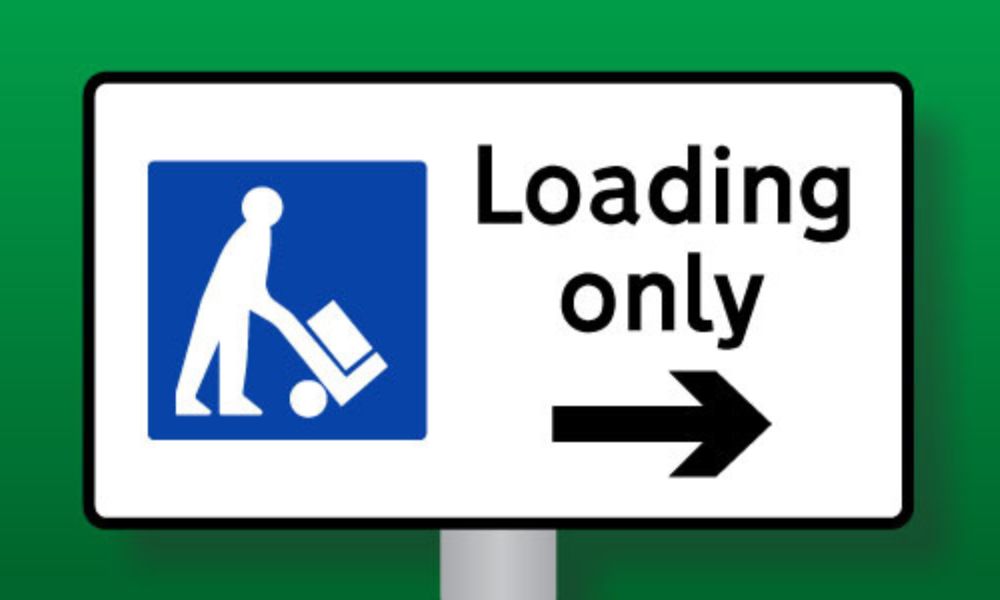
When this is the case, it will be indicated by nearby signs.
The English Devolution and Community Empowerment Act 2026 paves the way for bigger changes. It lets the government hand English councils new powers to ban pavement parking across whole streets, rather than street by street. These powers aren't active yet, and the detail, including whether a single wheel on the kerb will be enough to count, is still being worked out.
A smaller change is coming first: councils will soon be able to act against pavement parking that blocks the way, even without a TRO in place. The bigger power, covering whole footways and verges, is separate, and still waiting on further rules.
Yellow lines and pavement markings
Single and double yellow lines next to pavements and markings at the edges can also restrict pavement and kerbside parking.
Read our guide to yellow line parking rules to learn more.
Why does the law differ throughout the UK?
- Pavement parking in Greater London has been prohibited since 1974, although there are some exemptions, which are indicated by traffic signs.
- Exeter has also had a city-wide ban on pavement, verge and central reservation parking since 1987, under its own local law (the Exeter City Council Act 1987), similar in principle to London's ban.
- The Transport (Scotland) Act 2019 bans parking on pavements and at dropped kerbs, with enforcement nationally from December 2023. However, certain exemptions apply.
- Instead of a blanket nationwide ban like Scotland's, the government is giving English councils the power to introduce their own pavement parking restrictions over time.
Pavement parking rules in the UK compared
| Is pavement parking legal? | Key points & penalties | |
|---|---|---|
| England | Yes (except in London and Exeter) | London has a full ban (fines of up to £160). Exeter also has a full ban under its own local law, with fines of up to £70 for parking infractions (often reduced for early payment). Elsewhere, pavement parking is only banned where TROs are in place. Police can also act and issue fines if a vehicle is parked dangerously or causing an obstruction. |
| Scotland | No | Pavement and dropped-kerb parking is banned in Scotland. This has been enforced since December 2023 under the Transport (Scotland) Act 2019, with fines of up to £100 (often reduced for early payment). There are some exemptions for roadwork and delivery vehicles and emergency access. |
| Wales | Yes | Parking on the pavement is legal in most circumstances unless TRO signage indicates otherwise. Councils can issue a fine of up to £70 for a serious civil parking contravention (often reduced for early payment); police can also act where a vehicle is parked dangerously or obstructively. |
| Northern Ireland | Yes | In Northern Ireland, pavement parking is legal in most areas. Since November 2023, it has been banned at specific spots (e.g. bus stops, cycle lanes, and school clearways). Fines of up to £90 can be issued (often reduced for early payment) for drivers who park on the pavement in prohibited areas. Separately, police can also act if a vehicle is parked dangerously or causing an obstruction. |
Will the law change elsewhere?
- A Private Members’ Bill from Labour MP Marsha De Cordova, first put to Parliament in January 2025, aims to bring England (outside London) and Wales in line with the rules already in place in London and Scotland. As with all Private Members’ Bills, there’s no guarantee it becomes law. It has already progressed through several stages of scrutiny in Parliament.
- Separately, the English Devolution and Community Empowerment Act 2026, which received Royal Assent in April 2026, has laid the groundwork for English councils to gain similar powers once secondary legislation is in place.
- Residents could face similar restrictions to those currently enforced in London and Scotland if their local council decides to introduce pavement parking bans under the new powers.
- Drivers should check their local council’s website to stay updated on new restriction zones being established in their area.
Please note: Legislation checked as of 4 August 2026. Pavement parking rules, especially those still being introduced in England, may change. For the most current and definitive information, check GOV.UK and your local council's website.