

Best Ways to Increase the Resale Value of Your Car
Most new cars begin to lose value through depreciation as soon as they leave the forecourt. Keeping your car in good mechanical and cosmetic condition is key and a few smart repairs can make a significant difference to the price you achieve.
Below, we’ve broken down 13 practical ways to boost your car’s resale value, ordered by cost. Each section comes with a pricing breakdown to help you weigh up what’s worth investing in before you sell your car.
Please note: All costs shown are ballpark estimates based on current industry data and will vary depending on your vehicle, location, and chosen provider. Always get quotes from multiple traders before committing to any repair or service.
Get a free valuation
How to increase the resale value of your car (In order of cost)
1. Create a compelling ad
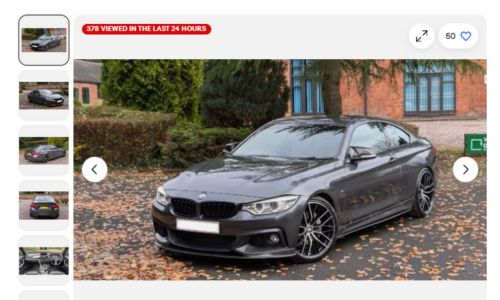
You could get more cash by selling your car privately rather than part-exchanging at a dealership, though this takes more time and effort. If you go the private route, listing on a car advertising website can help you find the right buyer.
A few pointers for writing an effective ad:
- Keep the title simple: Make, model, colour, and spec will generate more enquiries than an attention-seeking headline.
- Provide full detail: Include mileage, age, trim, number of previous owners, and a brief vehicle history.
- Use good photographs: Clear shots in daylight, covering every angle inside and out.
- Price it correctly: Use our free car valuation tool as your starting point.
- Be approachable: Avoid phrases like ‘serious offers only’, as they may put buyers off.
Here’s a quick checklist of details to include:
- Make, model, trim level, and engine spec.
- The age identifier on your registration plate.
- The date of your last MOT or how much cover is left. Enter your reg into our MOT check tool to find out when yours expires.
- The paint colour and finish.
- A list of features and equipment (e.g. keyless entry and DAB radio).
- Whether the car has a write-off history. Be upfront about this, as inaccurate answers (whether asked directly or stated in the ad) can leave you liable for misrepresentation.
- Where the car can be viewed.
- Your contact details and asking price.
Advertising costs
- Facebook Marketplace, Gumtree offer free car listings for private sellers.
- Autotrader charges on a sliding scale depending on your car’s value, starting from £9.95 for a standard two-week listing and rising up to £99.99 for an until-sold listing for vehicles valued over £24,999. (All listings in Northern Ireland are for eight weeks and priced at £4.95).
Pricing verified on 25 June 2026. Always check platform websites to confirm current price information.
Typical spend: £0–£99
2. Gather documentation and accessories
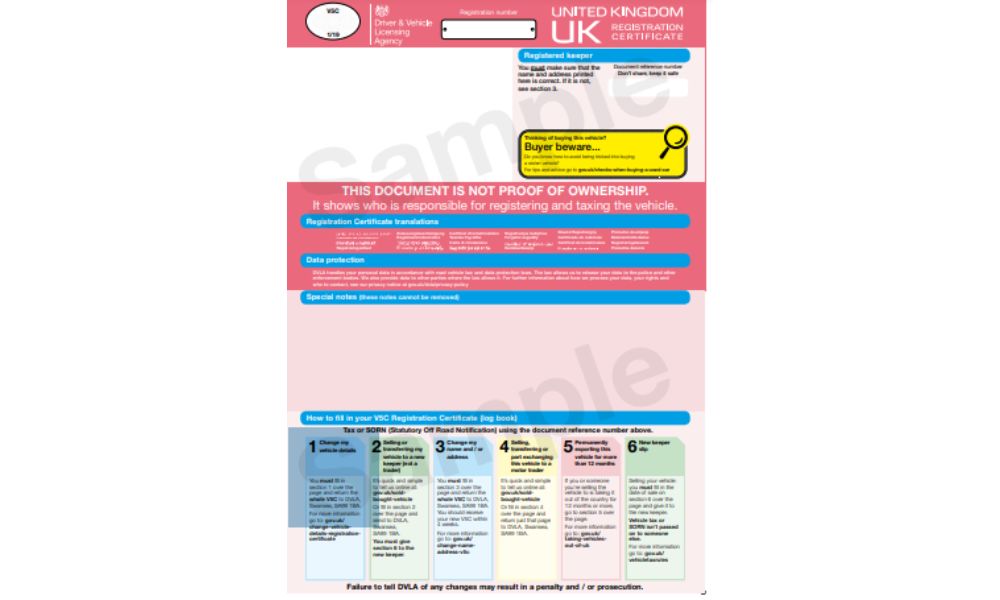
The V5C logbook is the most important document of all. When it’s missing, many buyers will reduce their offer or walk away.
The DVLA advises against buying a car without a V5C logbook, as there is a higher likelihood it has been stolen. If you want to sell to webuyanycar, you’ll need to bring this document to your appointment.
When selling, gather the following:
- V5C logbook.
- Service history.
- Car parts receipts.
- Car warranty documents.
- Insurance documents.
- Owner’s manual.
- Proof of deposit and purchase receipts.
- Repair and part receipts.
Missing paperwork? See our guides to replacing lost car documents, such as the V5C logbook and insurance certificates, and on missing service history, if your records are incomplete or you bought the car without them.
Also gather key accessories:
- Both sets of keys.
- The wheel locking nut.
- The spare wheel (if applicable).
Estimated costs
- Replacement car keys: UK car owners should expect to pay around £370 on average to replace a lost or stolen key and fob, with prices starting from around £297 for cheaper models (e.g. Volkswagen Polo), rising to around £8,000 for some premium car manufacturers such as Bentley.
- Programming new car keys (locksmith): Typically £50-£200, depending on the vehicle.
- Replacement V5C logbook: £25 from the DVLA.
- Replacement service documents: Costs vary by garage; some reissue invoices free of charge, others charge a small admin fee. MOT certificates can be printed at home for free.
Typical spend (documentation only): £25, for a replacement V5C logbook. Key replacement costs are separate and vary significantly by vehicle (see above).
3. Replace any worn items
Wiper blades, headlight bulbs, floor mats, and badges can all be sourced cheaply online. A few targeted replacements can noticeably lift a car’s presentation.
Estimated costs
- Wiper blades (full set): £12-£30
- Rear wiper blade only: from £5 (£26+ for some premium Bosch line blades)
- Headlight bulbs: £3 each
- Floor mats: £10-£85 (premium)
- Badges: £5-£100
Typical spend: Full set of wiper blades and floor mats: £55
4. Repair the windscreen
A damaged windscreen is a safety issue and a resale one. Here’s a helpful explainer on the most common windscreen issues and repair costs:
Windscreen scratches:
- Surface-level marks caused by worn wiper blades can compromise visibility.
- Deeper scratches may make the windscreen irreparable.
Windscreen chips:
- Caused by road debris, hailstones, birds, or stray objects.
- Prompt repair is recommended. Many insurers cover chip repairs at no cost.
- Chips over 40mm anywhere on the windscreen, or over 10mm within the driver’s critical vision area (‘Zone A’), may result in an MOT failure.

Illustration showing ‘Zone A’ on a windscreen.
Windscreen cracks:
- Obstruct vision, worsen glare, and make the car illegal to drive.
- Cracked windscreens can hurt your car’s resale prospects.
Estimated costs
- Scratch repair: £120–£250 per arc (varies by window type).
- Side glass scratch removal: Around £120.
- Chip repair: £40-£120.
- Windscreen replacement: Typically around £345 for a standard vehicle, rising to £2,000 or more for a luxury model.
Please note: Your insurer may cover these repairs; check your policy before paying out of pocket.
Typical spend: £80 (chip repair)
5. Invest in a vehicle survey
A pre-purchase car inspection is a detailed examination by an independent mechanic, covering your vehicle’s mechanical, structural, electrical, and cosmetic health, along with a history check.
For sellers, the benefits are practical:
- Surfaces hidden faults you can address before listing.
- Builds buyer confidence, particularly on higher-value vehicles; a history check can also confirm the car is not stolen.
- Supports your asking price with documented evidence of condition.
- Saves time and effort for both parties by pre-empting buyer concerns and reducing negotiation.
- Acts as a marketing differentiator: Only a minority of private sellers offer a full inspection report.
Estimated costs
Inspections typically range from around £79 with independent mechanics to £267 with national providers such as the RAC. Cost varies by timeframe, scope of the report, vehicle age, and local labour rates.
Typical spend: £130
6. Recharge the air con
Air conditioning systems lose effectiveness over time as they slowly lose refrigerant gas. Without a working system, summer drives will be less enjoyable. Faulty air con can also deter buyers and reduce your car's value.
To fix this, have the system recharged (regassed) at a trusted local garage. Manufacturers typically recommend regassing every two years.
Estimated costs
Most UK-registered cars use one of two refrigerants:
- R134A (commonly found in vehicles manufactured before 2014): from around £75 to recharge.
- R1234YF (mandatory on all new vehicles from 1st January 2017): from around £140 to recharge.
- Vehicles built between 2014 and 2016 could require either gas, as R1234YF was phased in gradually over this period. Check your handbook or have it confirmed before booking.
Typical spend: £140 (professional R1234YF recharge)
7. Detail your car
Cleaning your car at home will improve its appearance, but a professional detailing service goes further. A detailing package typically includes:
- Hand washing the exterior, cleaning the wheels and tyres, and removing contaminants.
- Polishing, buffing, and waxing the paintwork, plastics, and trim.
- Vacuuming the interior thoroughly, including hard-to-reach areas.
- Leather upholstery treatments (if applicable).
- Interior shampooing and steam cleaning.
- Glass cleaning for streak-free windows and mirrors.

Estimated costs
- Basic packages (exterior wash and quick interior clean): £30-£60
- Full detail (interior and exterior, as listed above): £120-£250
- Specialist add-ons such as paint correction (from around £375) or ceramic coating (from around £300, rising to £1,000+ for multi-stage premium packages) are priced separately and aren't part of a standard detailing package.
Typical spend: £150 (a full interior and exterior detail)
8. Restore paintwork
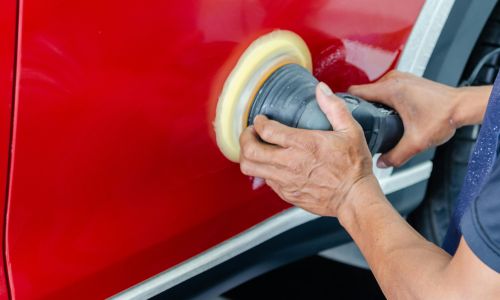
Over time, paintwork can be damaged by sunlight, road debris, bird droppings, road salt, and improper cleaning. Swirl marks are often caused by machine car wash brushes.
Minor scratches can sometimes be addressed at home:
- A small amount of toothpaste on a clean cloth can buff out light surface marks.
- Touch-up paint, available at most automotive shops, can remedy light scratches. Test on an unaffected area first.
- Home scratch removal kits are also available, though a cheap kit used incorrectly can worsen damage and increase the eventual repair cost.
- For deeper damage, professional repair is typically necessary.
Estimated costs
- Household solutions: virtually nothing.
- Home scratch repair kits: £4-£58.
Professional repair costs
| Repair type | Low range | High range | Average cost |
|---|---|---|---|
| Lighter surface scratch repair | £70 | £110 | £90 |
| Paintwork damage scratch repair | £120 | £180 | £150 |
| Deeper paintwork scratch repair | £270 | £330 | £300 |
Typical cost: £150 (moderate paintwork damage)
9. Refurbish your wheels
Scratched or damaged alloys or hubcaps can detract from a car's appeal and give buyers a reason to negotiate on price.
Alloy wheel refurbishment involves cleaning, repairing, priming, and repainting the wheels. Steel wheels with cracked or damaged hubcaps can usually be improved with inexpensive replacements.
Estimated costs
Typical wheel refurbishment costs (excluding labour costs) are:
- Single alloy wheel refurbishment: £54-£120, depending on wheel size
- Diamond cutting: £120-£150 per wheel
- Dry powder coating: £40-£100 per wheel
- Replacement alloy wheels (new): from around £130 for budget aftermarket, rising past £1,000 for premium or original equipment manufacturer (OEM) dealer-sourced wheels. Used or reconditioned wheels from breaker networks can work out cheaper.
- Hubcaps for steel wheels: £25-£60 each
Typical spend: £170 for 4x replacement hubcaps, or £540 for 4x diamond cut alloy repair
10. Replace the brake pads and discs
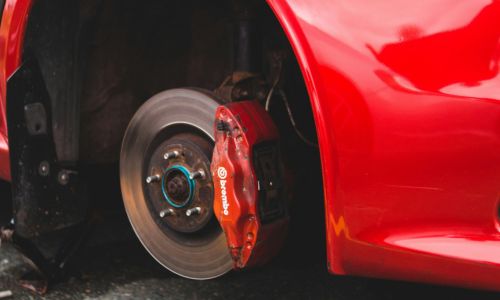
Brake condition is high on most buyers' checklists. Fresh pads and discs reassure buyers they won't face an immediate replacement cost.
Although pads and discs can be replaced individually, it's advisable to replace both together; they work as a pair, and replacing one without the other can cause uneven braking.
Estimated costs
Engine size is the main cost driver. Front and rear costs differ slightly, and replacing the pads alone is cheaper than replacing pads and discs together:
Typical spend: £205 (front pads and discs, medium-sized engine)
| Engine size | Front pads | Front pads + discs | Rear pads | Rear pads + discs |
|---|---|---|---|---|
| Up to 1300cc | £105 | £190 | £100 | £185 |
| Up to 1600cc | £115 | £205 | £110 | £200 |
| Up to 1900cc | £120 | £215 | £115 | £210 |
| Up to 2200cc | £130 | £230 | £125 | £225 |
| Over 2200cc | £135 | £240 | £130 | £235 |
11. Have a recent MOT and service
If your car has less than 6 months' MOT cover remaining, getting it re-tested before selling can boost its value. A buyer who sees a fresh MOT can feel reassured the car has no major mechanical issues.
Similarly, a recent service means the buyer won't need to budget for another one immediately. If you plan to sell privately, make sure both are mentioned in your listing.
Estimated costs
The maximum MOT fee in the UK is £54.85, though many garages charge less.
Average UK service costs:
- Interim service: around £140-£170
- Full service: around £170-£210 (small car), £210-£300 (medium car), £400+ (large car)
- Major service: around £230-£300+
Full-service costs also vary by make, with recent industry servicing data showing averages ranging from £277 (Ford) up to £319 (Mercedes-Benz):
| Make | Average full service cost |
|---|---|
| Ford | £277.32 |
| Volkswagen | £280.33 |
| Nissan | £280.88 |
| Vauxhall | £284.50 |
| Peugeot | £287.80 |
| Audi | £296.95 |
| MINI | £306.51 |
| BMW | £316.10 |
| Mercedes-Benz | £319.02 |
| Land Rover | £327.64 |
Typical combined cost (MOT + full service, medium car): £265-£355. Premium brands such as BMW, Mercedes-Benz, and Land Rover typically exceed this once MOT is added
12. Add window tints
Tinted windows can increase your car's resale value, though they won't appeal to every buyer. If you go ahead, the tint must stay within legal limits:
- Vehicles first used from 1st April 1985: front windscreen must allow at least 75% of light through; front side windows at least 70%.
- Vehicles first used before 1st April 1985: both front windscreen and front side windows must allow at least 70% of light through.
Professional installation gives the best finish. DIY kits (around £20) are available for popular models, though a poorly executed tint will devalue the car.
Please note: Tints fade over time. A premium professional ceramic tint can last 10 years or more. However, standard dyed films may need replacing sooner.
Estimated costs
| Lower end | Higher end | Average |
|---|---|---|
| £200 | £500 | £350 |
Typical spend: £350 for a mid-priced professional tint
13. Replace your tyres
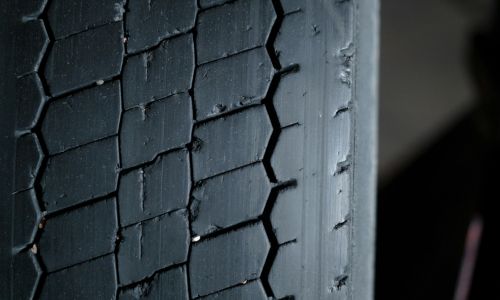
The minimum legal tyre tread is 1.6mm. However, braking distances can be compromised once tyres wear below 3mm. If your tyres are below 4mm, replacing them before listing can improve safety and resale value.
Estimated costs
- Budget tyre: from around £50
- Premium brand tyre: typically £110-£170 for a common size, rising beyond £350 for specialist or performance models.
- Fitting, balancing, and disposal adds £25-£45 per tyre.
- Full set of new tyres (fitted): roughly £300-£860, depending on tyre tier, with specialist or performance tyres costing significantly more.
- Part-worn tyres: average around £25, though prices vary widely. We advise against these. TyreSafe research found 99% of UK retailers sell part-worn tyres in a condition unfit for driving, and the National Tyre Distributors Association found 98% were not compliant with safety regulations.
Typical spend: £580 for a full set
Tips for selling your car
1. Selling your car at the right time
When you sell your car can genuinely move the price you achieve, even if preparation tends to have the biggest impact overall. A few things to consider:
- Resale values fluctuate by season. Convertibles generally peak in spring and summer; SUVs, 4x4s, and MPVs tend to fare better in autumn and winter.
- Use webuyanycar's free car valuation tool to track your car's value over time and identify the best moment to sell.
- Fuel-efficient cars tend to attract stronger interest when fuel prices are high. Lead with economy figures if you are listing your car.
- Larger or less fuel-efficient cars generally sell better when fuel prices are lower and demand has stabilised.
2. What causes a car to increase in value?
Increased demand
When economic factors drive up demand for used cars, resale values typically follow.
Rarity and collectability
Most cars depreciate with age, but desirable classics can reverse that trend. Common traits among appreciating models:
- Limited in number: Special editions and low-production models can gain cult status. Value often increases as examples leave the road.
- Age: Many cars over 40 years old are eligible for classic car tax exemption. Some younger examples (20-30 years old) are also considered modern classics by collectors.
- Condition: Well-preserved or fully restored examples hold the most value.
- Cultural relevance: A car linked to a film, TV series, or public figure can gain significant value.
- Brand prestige: Models from Porsche, Ferrari, Bentley, and Lamborghini regularly gain classic status.
- Discontinuation: When a desirable model ceases production, values often rise.
Upgrades and modifications
Some upgrades can add value when executed to a high standard, including:
- Infotainment system upgrades.
- Remapping the engine control unit (ECU).
- Installing a new exhaust using good quality OEM parts.
- Lowering the suspension.
- Replacing worn tyres, wheels, and brakes.
Please note: Poorly executed modifications will reduce value, not add it.
3. What causes a car to decrease in value?
- Age: Depreciation is often steepest in the first year. For many cars, the rate begins to slow around the 8-10-year mark.
- High mileage: Mileage affects value. Used car valuers often treat more than 10,000 miles a year as high mileage. Some buyers prefer a mileage under 70,000, and values often drop more sharply beyond 100,000 miles.
- Poor condition: Scratches, dents, and rust all reduce value.
- Mechanical issues: Warning lights, unusual noises, and poor performance can significantly affect what buyers are prepared to pay.
- Write-off status: If your car has been written off, expect a significant reduction in value. A Category N write-off typically loses 20-40% of its pre-accident value. Failing to disclose a write-off history may constitute misrepresentation.
- Aftermarket modifications: Many aftermarket changes such as novelty horns, loud exhausts, neon lighting, and beaded seat covers have limited appeal. and can reduce value. Any poorly executed mods can hurt your car’s value considerably.
4. Setting your budget
Before investing in repairs or improvements, work out what makes financial sense:
- Use our free car valuation tool to find your motor’s current value, declaring any damage to get the most accurate result.
- Get a second valuation without declaring damage to estimate the potential uplift from repairs.
- Any money spent on preparation comes out of your profit. Set a clear ceiling before you commit.
When deciding whether to repair or sell: a car with minor cosmetic damage may justify some investment. An older car with significant mechanical faults is often better sold as-is.
5. Deal with outstanding finance and negative equity
If your car is subject to a hire purchase (HP) or personal contract purchase (PCP) agreement, the balance must be settled before you can legally sell the car.
If you sell to webuyanycar, we can settle the outstanding finance on your behalf. You’ll just need to bring an in-date settlement letter from the lender to your appointment.
For a private sale, you’ll need to settle the balance yourself, either by completing remaining payments or paying the full amount in a lump sum.
If your car is worth less than the outstanding balance, you're in negative equity.
Repairs can sometimes narrow the gap, but only if the value they add exceeds what they cost.
It's worth getting a valuation before investing in repairs to check the sums work in your favour.
6. Seek a professional opinion
Before committing to repairs, get a written breakdown from a trusted mechanic. Use that to decide whether to invest in repairs or sell the car in its current condition.
7. Invest in mechanical and cosmetic fixes
Check reviews on Google Maps, Trustpilot, or Yelp before choosing a garage or detailing service. Agree the cost, scope, and timeline in writing before any work begins.
Avoid the hassle: Sell your car in under an hour
For sellers who want to skip the private sale process, webuyanycar offers a simple alternative:
- Enter your reg and milege into our free car valuation tool and get a quote in under 30 seconds.
- Book an appointment at any of our 550 UK branches.
- Travel to your chosen branch. Happy to sell? We’ll handle the paperwork and send the cash to your bank.
- Select our Immediate Payment option to get paid within 15 minutes. (Fees apply.)
Frequently asked questions
Focus on condition, documentation, and presentation:
- Address minor cosmetic damage. Scratches, scuffs, and dents affect kerb appeal and buyer confidence.
- Build and present as full a service history as you can.
- Keep the car clean inside and out.
- Try to keep annual mileage below the industry benchmark to retain maximum value.
According to Department of Transport (DfT) data, the average annual mileages in the UK are approximately 6,200 miles for a petrol car, 8,300 for a diesel, and 8,900 for an EV.
Selling privately can mean a higher price, but it comes with extra time, viewings, advertising, and preparation. Trading in at a dealership is quicker, but they may reduce their price to accommodate profit margins.
Here at webuyanycar, we offer the best of both worlds:
- Get a quote in under 30 seconds, with valuations based on current market data.
- No negotiation or multiple showroom visits.
- Fixed appointments, with no need to meet car dealers at your home.
- Fast payment option available (within 15 minutes).
Yes, in a few key ways, even though the selling process is fundamentally the same:
- EVs often depreciate faster than petrol cars, as rapid battery tech improvements date older models quickly.
- Hybrids may hold their value better, as drivers not yet ready to commit to a full EV see them as a fuel-efficient stopgap.
- Battery health checks support your asking price, much like a fresh MOT.
- Minor accidents carry a higher write-off risk if battery diagnostics flag damage, so check your write-off history before listing.
- Values move more with fuel prices, incentives, and ULEZ exemptions, so timing your sale can matter more.
Using our free car valuation tool, enter your reg number and mileage for a quote based on real-time market data in under 30 seconds. You can also cross-reference with current listings for similar makes and models to sense-check the result.
Start by establishing a clear baseline market value, using our free car valuation tool. This way, you'll know what a realistic figure looks like before entering any negotiation.
Having your documentation in order and ensuring the car is in good condition gives you evidence to stand behind your price.
A few pointers for the negotiation itself:
- Set the minimum price you're willing to accept before you start, so you're not deciding under pressure.
- Let the buyer make the first offer where possible. It gives you a sense of how much leeway there is.
- Be ready to walk away. A buyer who senses urgency may push harder.
Our guide on how to haggle when buying a car covers the tactics buyers use to push the price down, so knowing these will help you prepare.