



Car dashboard warning lights and symbols explained
When you start your car, the dashboard warning lights usually illuminate before quickly switching off again. This is nothing to be concerned about. However, if any warning lights remain solid, you may be dealing with a serious fault requiring investigation.
Dashboard warning lights highlight potential issues with your car. A variety of symbols are used to denote various system faults – and a colour-coded system is also used to convey urgency.
When you see an unfamiliar warning light, it can be daunting. Our comprehensive guide covers the most common symbol for each warning light, its meaning, and the action required.
Get a free valuation
Warning light colour meanings
Green: When a green light appears on your dashboard, this means that the system is working correctly or is currently in use.
Yellow: A yellow light indicates that the component is not working correctly and should be checked at your earliest convenience.
Red: Finally, a red light means there is a serious problem - and you should stop driving immediately.
Dashboard warning lights explained
Engine Management Light

What it means:
This light (sometimes called the 'check engine' light) indicates a fault with the engine or emissions control system. It should illuminate briefly when the ignition is turned on and then go out. If it stays on, a fault is present.
What to do:
Have the vehicle checked over by a qualified mechanic as soon as possible. A persistent engine management light can lead to MOT failure.
Airbag warning light

What it means:
This light indicates a fault in the airbag or supplementary restraint system (such as seatbelt pretensioners). If it stays on, the system may not work correctly in a collision.
What to do:
Get the fault checked promptly, as airbags may not deploy if needed.
ABS (Anti-Lock Braking System) Warning Light

What it means:
The ABS warning light indicates a fault with the anti-lock braking system. Standard braking should still work, but ABS assistance may be unavailable.
What to do:
Drive carefully and arrange a check at a garage as soon as possible.
If the ABS light appears alongside the brake warning light, stop driving as this could indicate a serious braking fault.
Battery charge warning light

What it means:
Indicates a problem with the charging system. The battery may not be charging while the engine is running.
What to do:
Have the vehicle checked as soon as possible. If ignored, the battery may lose power and the vehicle could stop.
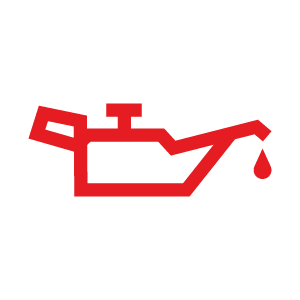
Oil warning light
What it means:
A red oil warning light usually indicates low oil pressure, which can cause serious engine damage. Continuing to drive with this light could cause irreversible damage.
What to do:
Stop the vehicle as soon as it is safe and turn off the engine. Check the oil level and seek professional advice before continuing.
Brake system warning light

What it means:
This light indicates a possible fault with the braking system, such as low brake fluid, worn brake pads, or another brake-related issue.
What to do:
Do not continue driving. Stop safely and arrange recovery or professional assistance.
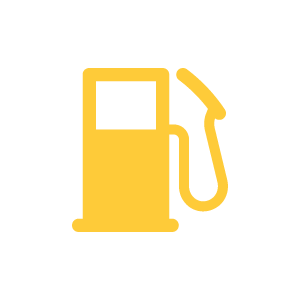
Low fuel warning light
What it means:
Your fuel level is low.
What to do:
Refuel as soon as possible. Remaining driving range varies by model and is also influenced by the weather and road conditions.
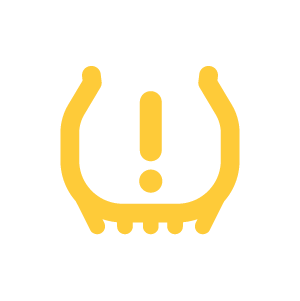
Tyre Pressure Monitoring System (TPMS) light
What it means:
Indicates low tyre pressure or a fault with the tyre pressure monitoring system. Low pressure could be caused by natural pressure loss over time, a puncture, or other tyre damage.
What to do:
Check and inflate tyres to the manufacturer's recommended pressure. Any other faults should be investigated by a trained mechanic.
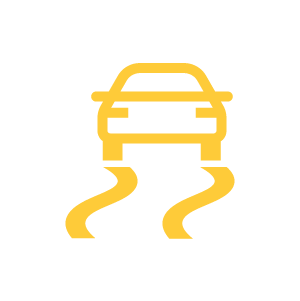
Electronic Stability Control (ESC) light
What it means:
A flashing ESC light shows the system is actively helping to maintain traction. A solid light indicates a fault or that the system has been switched off. If the system has been deactivated, the word 'OFF' may appear beneath the symbol.
What to do:
If the light stays on after restarting the vehicle, have the system checked at a garage.
Other warning lights
Coolant levels warning light
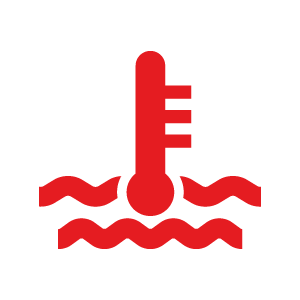
What it means:
This warning light indicates that the engine coolant temperature is too high or that coolant levels are low. Either issue can lead to engine overheating.
What to do:
Stop the vehicle as soon as it is safe to do so and switch off the engine. Allow the engine to cool before checking coolant levels.
Do not continue driving if the light stays on, as overheating can cause serious engine damage. If the warning reappears after topping up, have the cooling system checked by a garage.
Power steering warning light

What it means:
This light shows a fault with the power steering system. It could be caused by low power steering fluid, a fault with the hydraulic pump, a broken auxiliary drive belt, or electrical problems.
As a result, steering assistance may be reduced or lost, making the vehicle harder to control, particularly at low speeds.
What to do:
Drive with caution and avoid unnecessary journeys. Arrange for the vehicle to be inspected by a qualified mechanic as soon as possible. Continued driving with reduced steering assistance could be unsafe.
Diesel or petrol particulate filter warning light (DPF / PPF)
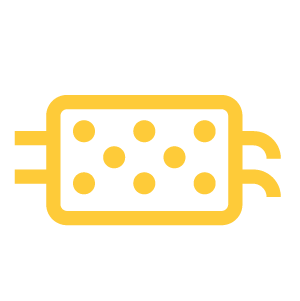
What it means:
This warning indicates that the particulate filter is becoming blocked with soot. The diesel particulate filter (DPF) is a common feature in diesel cars. A comparable petrol particulate filter (PPF) is less commonly found in some petrol models with direct injection.
What to do:
Follow the advice in your vehicle handbook. In many cases, the filter can clear itself if you continue driving at a steady speed for around 10-20 minutes, allowing the exhaust temperature to rise and complete the regeneration process.
If the light stays on, have the system checked at a garage, as ignoring it can lead to more serious faults.
Screen wash level warning light

What it means:
This light indicates that the windscreen washer fluid level is low.
What to do:
You can continue driving, but you should top up the screen wash reservoir as soon as possible to maintain clear visibility, especially in poor weather or when driving on the motorway.
EV and hybrid specific warning lights
Ready to drive

What it means:
This is an informational indicator showing that your EV is switched on and ready to move. You don't need to stop or take action when this appears, just drive as normal.
What to do:
Informational lights do not require stopping.
Eco mode

What it means:
This light shows the vehicle is in economy or efficiency mode.
What to do:
No action is needed, this light it is informational and does not indicate a fault. Green/white/blue informational lights don't require action.
General fault

What it means:
A general fault warning indicating an issue that needs checking.
What to do:
Treat it as advisory (amber) or serious (red) depending on the colour:
Amber: Drive carefully and get the vehicle checked at the earliest safe opportunity.
Red: Stop safely and seek professional help before continuing.
Amber lights advise maintenance or checks; red lights indicate a potentially serious fault.
Limited power mode (turtle icon)

What to do:
This indicator suggests speed/performance is restricted (often to preserve battery or due to a fault).
Official support:
Treat it as an amber/advisory warning: reduce speed, avoid aggressive driving, and if the light persists, get it checked at a garage as soon as possible.
Pedestrian alert

What to do:
This symbol relates to the vehicle's pedestrian alert or external sound system. If the light indicates a fault (typically shown in amber), arrange for the system to be checked. If no fault is indicated, the light is informational only and no action is required.
Action required (white pedestrian alert light):
A white warning light showing a person on the road indicates that the vehicle's pedestrian detection system has identified someone nearby.
This feature is found in electric vehicles and some petrol or diesel cars equipped with pedestrian detection technology. If you see this alert and have not already noticed the pedestrian, brake immediately to reduce the risk of a collision.
Low battery charging needed
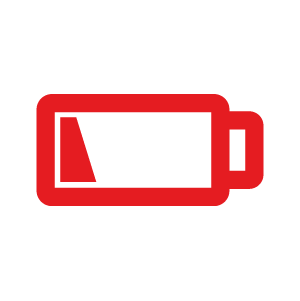
What this means:
The low battery warning light is shown as a yellow charging station icon with a cable and two-pin connector.
It typically illuminates when the battery charge falls to around 10%. If the charge level drops further to about 5%, the light may begin flashing, indicating that the battery is close to running out and urgent charging is required.
What to do:
This warning means your EV's battery is low, and you need to recharge soon. Treat this as amber (advisory). You do not need to stop immediately on a red motorway lane, but you should drive to a safe place and recharge as soon as possible.
General electrical fault (amber)
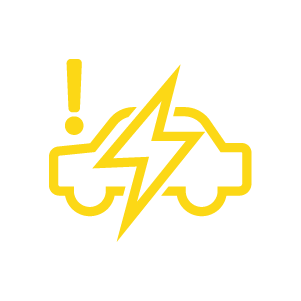
What this means:
An amber electrical fault means something needs attention.
What to do:
Drive with care and arrange a diagnostic check at the earliest opportunity. Do not ignore it.
Serious electrical fault (red)
A red electrical warning indicates a serious problem with your EV.
What to do:
Stop the vehicle safely as soon as possible and seek assistance. Continuing to drive could worsen the issue, damage the vehicle, or put your safety at risk.
Master warning

What this means:
This is a serious warning that one or more systems may have critical faults.
What to do:
Stop the vehicle safely as soon as you can and consult a mechanic before driving further.
12-volt battery charge warning
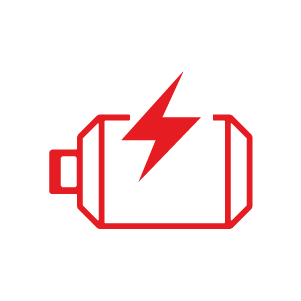
What it means:
Most vehicles, including EVs, use a 12-volt auxiliary battery to power essential systems such as electronics, control units, and safety equipment.
In EVs, this battery is still needed to initialise systems and 'wake up' the car before the high-voltage traction battery can power the motors.
This light may illuminate when the 12-volt battery loses charge or fails. The vehicle may not start or operate reliably, even if the main high-voltage battery is fully charged.
What to do:
Treat this warning as serious. Stop safely if possible and consult your vehicle handbook.
Arrange for the 12-volt battery and charging system to be inspected promptly, because a failing 12-volt battery can prevent the vehicle from starting or functioning correctly.
EV operation indicator (hybrid)

What this means:
This appears in hybrid vehicles and shows that electric-only operation is active or available.
What to do:
This light is informational; no immediate action is needed.
E-Mode / EV-Mode (Hybrid)

What this means:
Indicates electric mode engagement or status.
What to do:
This is informational, meaning no immediate response is required unless accompanied by an amber/red light.
Battery temperature warning light
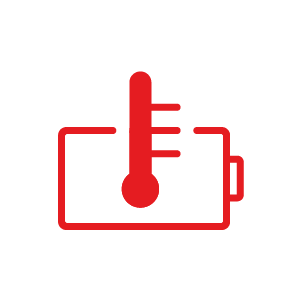
What it means:
Although this warning light can appear in all vehicle types, it indicates a serious problem with the car's battery. It often means the battery cooling system has failed, allowing the battery temperature to rise to unsafe levels.
If not addressed, overheating can lead to major faults, including a fire risk.
What to do:
Treat this as a serious warning and seek professional assistance immediately. Continuing to drive may cause further damage or create a safety risk.
External sound system issue
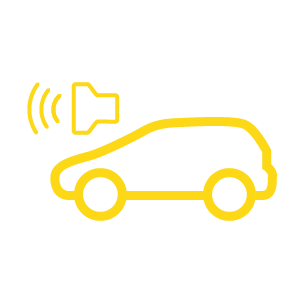
What this means:
This indicates a fault with the external sound system which EVs and hybrids use to alert nearby pedestrians and motorists of their presence.
What to do:
Amber advisory lights mean you should check the vehicle soon. Drive with caution, as a key safety feature is inactive.
Regenerative braking system warning

What this means:
If this warning light appears (usually amber), the regenerative braking system may be limited or unavailable. This means the vehicle may rely more heavily on its conventional brakes, and energy recovery during braking may be reduced.
What to do:
Continue driving with care and allow for longer stopping distances if necessary. Arrange for the braking or EV system to be checked by a qualified professional as soon as possible.
Which dashboard lights will automatically fail an MOT?
| Warning light | MOT result if illuminated | Reason for failure |
|---|---|---|
| Engine management light (EML) | ❌ Fail (Major defect) | An engine malfunction indicator lamp showing an emissions-related fault must not stay on after start-up. |
| Airbag / SRS warning light | ❌ Fail (Major defect) | An SRS malfunction indicator lamp showing a system fault is a major defect. |
| ABS warning light | ❌ Fail (Major defect if ABS is fitted as standard.) | An ABS warning lamp indicating a system malfunction is a major defect. |
| ESC / traction control warning light | ❌ Fail (Major defect if fitted) | An ESC malfunction indicator lamp indicating a fault is a major defect. |
| Brake system warning light | ❌ Fail (Major defect) | A warning lamp indicating a braking system malfunction is treated as a major safety defect. |
How to reset your dashboard warning system
- After a fault has been fixed, many warning lights will turn off on their own after a number of drive cycles once the system confirms the issue is gone.
- Driving normally for several trips, including a mix of city and steady motorway driving, can allow the onboard computer to recognise the issue is resolved and clear the warning without a manual reset.
- Simply cycling the ignition on and off a few times can sometimes refresh the system and clear temporary warnings in some vehicles.
- Disconnecting and reconnecting the vehicle battery can force a reset of the onboard computer in some cases, but this may also reset other systems (such as clocks or radio presets) and is not recommended without guidance from a professional.
- If the warning light remains after trying these methods, return to the garage so the technician can re-scan and properly clear or diagnose any persistent codes.
- A diagnostic tool (such as an OBD-II scanner) can read and then clear stored fault codes directly from the vehicle's computer, which usually turns off the warning light.
FAQs
The engine management light is arguably the most serious warning light, as it indicates there is an issue with the engine or emissions system. As such, this light warrants an automatic MOT failure.
Yes, webuyanycar regularly buys cars with warning light issues.
To ensure your initial free car valuation is accurate, we recommend providing as much detail as you can about your car's faults, condition, and history.
However, this is not a strict requirement, as the buyer will assess your car in person during your appointment to confirm your valuation and make a final offer.