

How to sell a hybrid or electric car
In this updated guide, we'll share some expert tips to help you sell your electric car or hybrid vehicle with confidence.
Our updated guide covers everything you need to know, from choosing the best way to sell your EV or hybrid to preparing for a smooth transaction, and avoiding pitfalls after the point of sale.
Get a free valuation
Key takeaways
- Selling your car privately may allow you to achieve a higher price, but involves advertising, fielding enquiries, arranging viewings, waiting for the right buyer, and success is not assured.
- Alternatively, webuyanycar offers a guaranteed sale, and a fast, simple selling process. The timeframe from quote to sale is typically less than an hour.
- Thorough cleaning, addressing minor cosmetic damage, and removing personal data from the infotainment system can help you achieve a stronger valuation for your EV or hybrid.
- Used EV and hybrid buyers commonly have questions about battery condition. Providing a battery health certificate with a State of Health (SoH) percentage score can offer reassurance to private buyers, though it is not required when selling to webuyanycar.
- To ensure a smooth sale, have your V5C logbook ready, along with your service history where available, and any other key documents and accessories.
- Notifying the DVLA after the sale is a legal requirement. Until you do, you remain the registered keeper and may receive fines and penalty notices for a vehicle you no longer own.
What is the best way to sell an electric or hybrid car?
The right approach depends on your priorities: speed, maximum price, or convenience. The table below sets out the main options.
| Selling channel | Pros | Cons | Best for |
|---|---|---|---|
| webuyanycar | From quote to sale in under an hour, with a guaranteed sale. 550 UK branches nationwide. Immediate Payment option available. (Fees apply*) | Private sale prices may be higher in some circumstances. | A quick, simple guaranteed sale of any electric or hybrid car, regardless of condition or history. |
| Private selling | Potential to achieve the highest return if you find the right buyer. Broad reach via online platforms including Facebook Marketplace, eBay Motors, and Gumtree. | Requires time to advertise, manage enquiries, arrange viewings and test drives, and wait for the right offer. No guarantee of a sale. | Owners of desirable EVs or hybrids in good condition who have time to wait for the right buyer. |
| Selling at auction | Competitive bidding can produce strong results for the right car. | Fees vary by auction house. No sale is guaranteed if bidding does not reach your reserve. | Unusual, rare, or particularly desirable electric or hybrid vehicles. |
| Selling to a dealership | Quick and convenient, with the option to put the car's value towards a new purchase at the same forecourt. | Dealers offer a trade price, which can often be lower than a private sale. Negotiating the trade-in and new car purchase together may make it harder to get the best value on both. | A fast trade-in when switching to a new car at the same dealership. |
*Admin fee applies on purchase. Fees also apply for the Immediate Payment option. See webuyanycar.com for full current fee details.
How to sell your EV to webuyanycar
Selling your hybrid or electric car to webuyanycar is simple and stress-free. Here's how it works:
-
Enter your reg number into our free car valuation tool.
-
Book your appointment at any of our 550 UK branches.
-
Drive to your appointment. If you're happy to sell, we'll send the money to your bank.
What will I need to bring to my webuyanycar appointment?
If you decide to sell your electric car or hybrid to webuyanycar, please bring the following documents and accessories to your appointment:
- V5C logbook.
- Original photo ID (passport or driving licence).
- Your bank details.
- Service history (if applicable).
- Finance settlement document (if your car has outstanding finance).
- Both sets of keys.
- The wheel locking nut.
Please note: If the address referenced in your V5C logbook does not match your ID, we will also need you to bring a proof of address (such as a bank statement or utility bill) dated within the last 9 months.

Hybrid and EV valuation tips
-
When selling your hybrid or electric car, getting a free car valuation can be a smart first step. Remember to declare your car's condition and history to ensure an accurate quote.
-
Your initial valuation will give you a figure based on current market conditions, which is a helpful starting point, however you decide to sell it.
-
If you choose to sell at a dealership, at an auction, or on the private market, you can use your valuation to gauge whether you're getting a good price or negotiate a better deal.
-
If you're selling to webuyanycar, our buyer will confirm your online valuation during your appointment.
-
Not ready to sell your EV or hybrid just yet? Getting a free valuation now, then requesting fresh quotes periodically will help you keep up to speed with market changes. Monitoring your hybrid's or EV's depreciation can help you choose the best time to sell.
Preparing your hybrid or electric car for resale
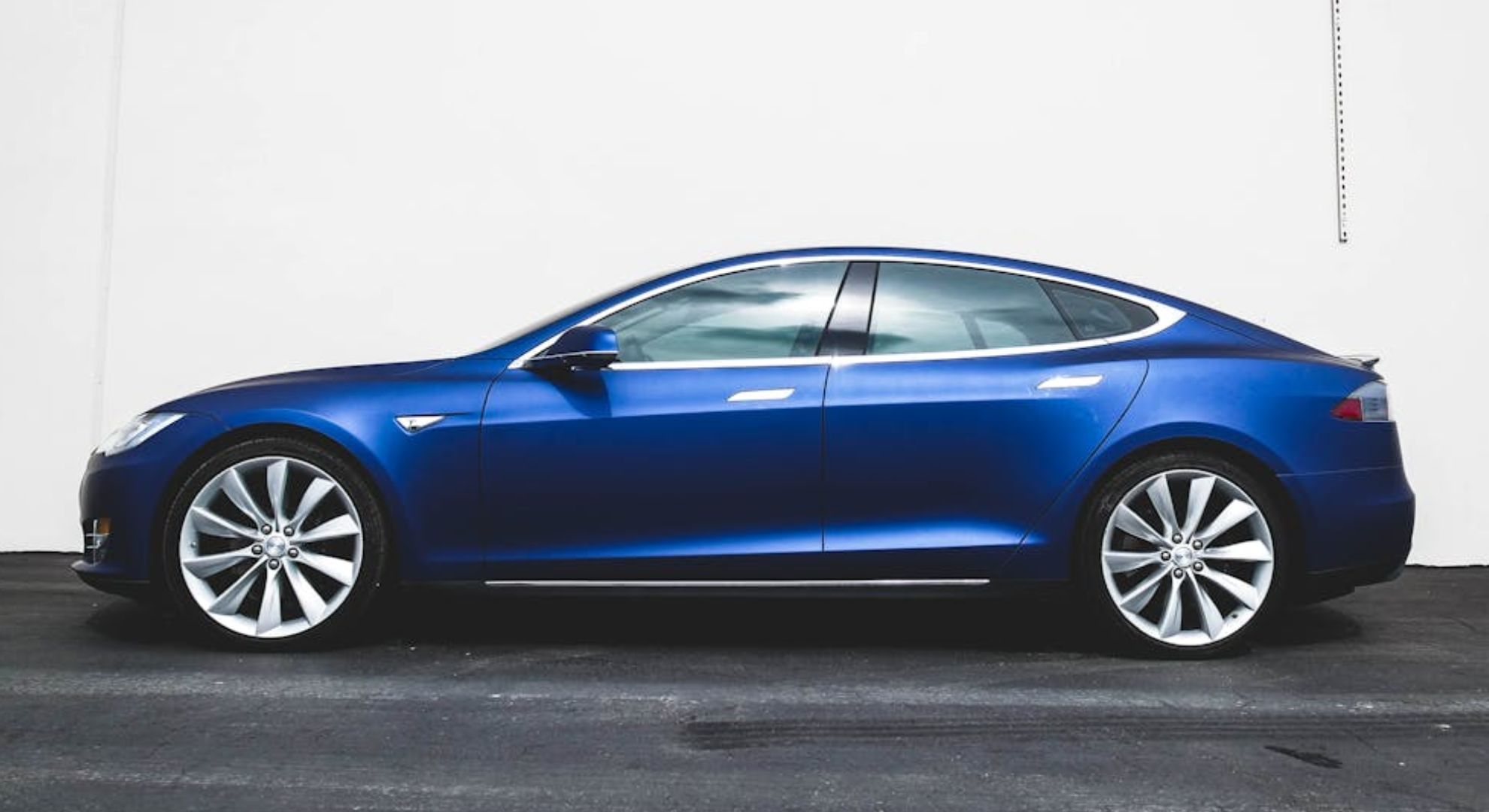
Before selling your motor, make sure it's looking and running its best. Having all the paperwork in order can also make a big difference.
This is crucial advice for private sellers. If your motor is not up to scratch, you may struggle to find a buyer who will offer you the right price.
True to our name, we buy any car, regardless of age, condition, or history, though how you present your car will affect its value.
So, if you're looking to maximise the cash in your pocket, follow the actionable tips in this section.
Please note: This article is intended as a general guide only. Rules and regulations are subject to change. Always check the latest guidance on GOV.UK or contact the relevant authority before taking action.
Clean your car
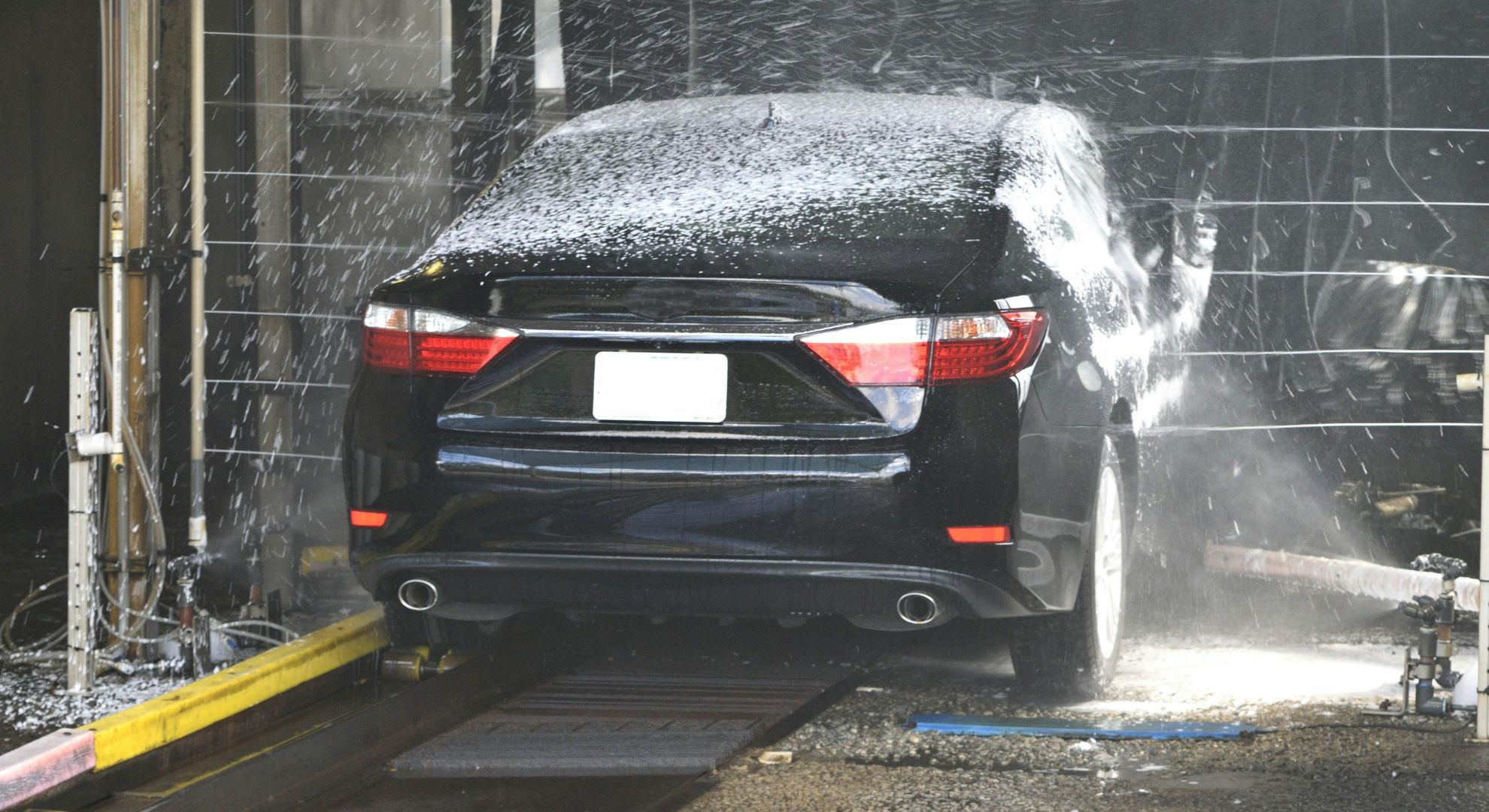
- Thoroughly wash your car and scrupulously clean the interior to ensure viewers see your motor in the best possible light.
- If you can't achieve a showroom sheen at home, consider investing in professional detailing services.
- Make sure your car smells good. Nothing beats that 'new car smell'!
Perform essential checks
- Check that your car starts and runs reliably.
- Make sure all the electrical components are working correctly.
- Make sure your tyres are correctly inflated, and check the tread depth. The legal minimum is 1.6mm, but most safety guidance recommends maintaining at least 3mm to reduce stopping distances in wet conditions.
- Check the fluids, top up where necessary, and ensure no leaks are present. Any leaks should be fixed before you sell your car.
Repair your car and address minor damage
- If your car has any mechanical issues, this is likely to hurt its resale value and may make it harder to sell privately.
- Take your car to a mechanic to check that all components are working correctly. If any parts need repairing or replacing, consider whether it is best to repair or sell your car.
- For example, if the cost of the repairs would exceed the car's value, selling it in its current condition would be the most economical option.
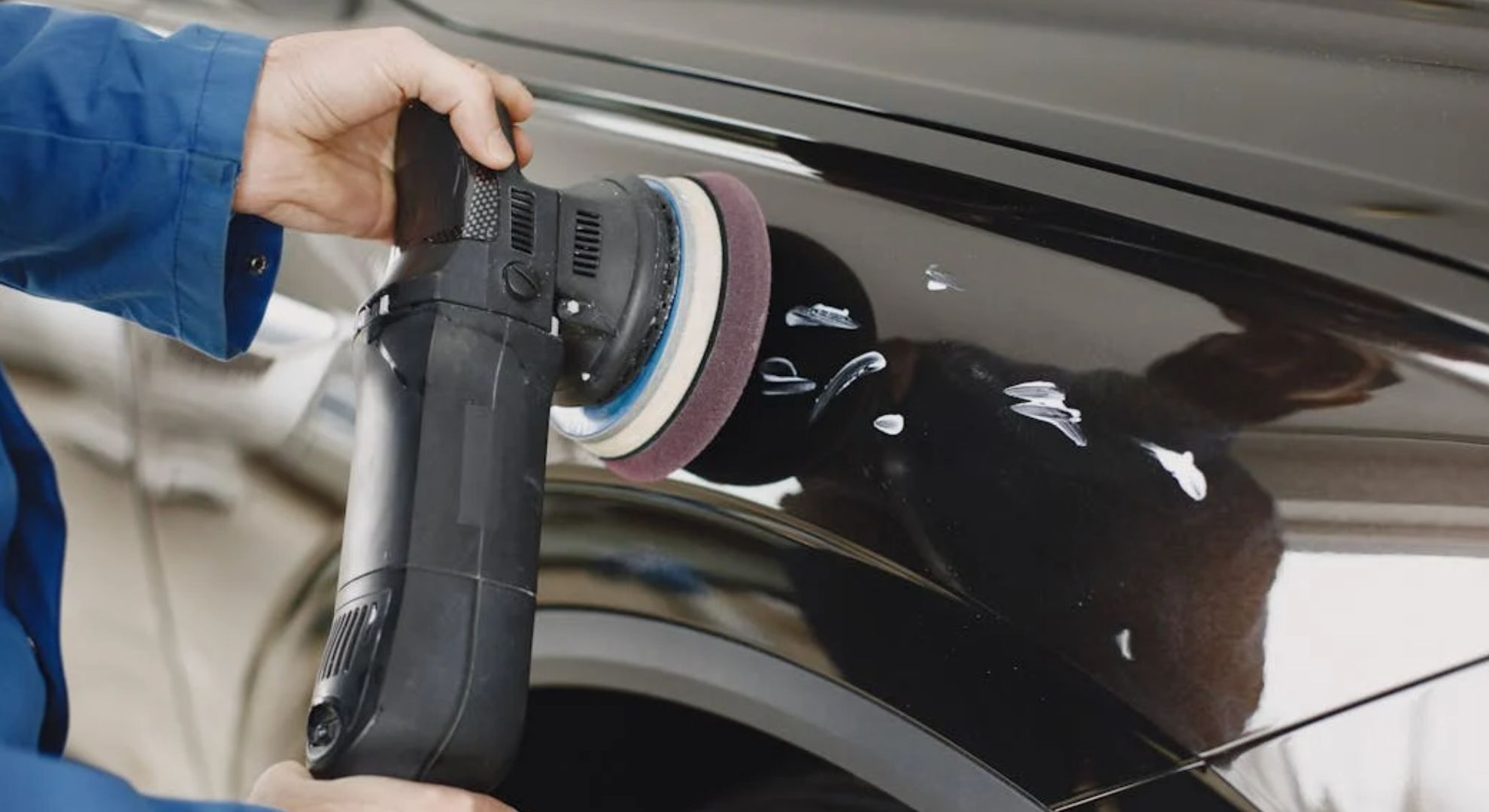
- Minor dents and scratches are relatively cheap to fix, and doing so will make your car more attractive to prospective buyers.
Important: If you are selling your car with mechanical or electrical faults, you must disclose these to any prospective buyers. By failing to do so, you could land yourself in legal trouble.
Get a fresh MOT certificate
If your car has less than six months’ MOT cover remaining, getting it retested can reassure potential buyers that it’s safe and reliable. This will also spare them the hassle of MOT testing the car shortly after buying it.
Remember, if you’re selling an MOT-less car privately, it’s important to disclose this fact to buyers. Otherwise, it could be argued that you attempted to deceive them.
Make sure the paperwork is in order
The documents you'll need can vary depending on how you choose to sell, but having the following ready will cover most requirements and help reassure prospective buyers that your EV or hybrid is in good working order:
- V5C logbook.
- Service history (if available).
- Receipts for parts and repairs.
- Warranty and insurance documents.
- V778 number plate retention certificate (obtain this before selling if you want to retain your private number plate).
Remove personal data
If your EV or hybrid is financed on a hire purchase (HP) or personal contract purchase (PCP) agreement, you cannot legally sell it without first settling that finance.
The vehicle will remain the property of the lender until the balance of the loan has been paid. If you're selling privately, you'll have to pay off the loan before you can sell it.
If you choose to sell to webuyanycar, we can settle any outstanding finance on your behalf. You'll just need to obtain an up-to-date settlement letter and bring it to your appointment.
If you're in positive equity, we'll pay you the difference after you've sold your car to us. However, if you're in negative equity, you'll have to pay the shortfall to complete the sale.
Settle outstanding finance
If your EV or hybrid is financed on a hire purchase (HP) or personal contract purchase (PCP) agreement, you cannot legally sell it without first settling that finance.
The vehicle will remain the property of the lender until the balance of the loan has been paid. If you're selling privately, you'll have to pay off the loan before you can sell it.
If you choose to sell to webuyanycar, we can settle any outstanding finance on your behalf. You'll just need to obtain an up-to-date settlement letter and bring it to your appointment.
If you're in positive equity, we'll pay you the difference after you've sold your car to us. However, if you're in negative equity, you'll have to pay the shortfall to complete the sale.
Can you sell an EV or a hybrid with a bad battery?
Yes, you have several options for selling an EV or a hybrid with a worn or faulty battery:
- You may still be able to sell privately, but you can expect to attract a smaller pool of prospective buyers.
- Different buyers will have different ideas of what is an acceptable level of battery degradation. Say you have an older EV or hybrid with a battery that has degraded to 60% of its original power. This car would be a poor option for someone with a lengthy commute but may be perfectly fine for a driver who sticks to short, local journeys.
- If the battery is worn or damaged beyond use, you could recycle it.
- If the vehicle itself is otherwise in good condition, it could be stripped for useful parts or repaired to good working order. However, due to the cost of replacement hybrid or EV batteries, the latter option is not usually feasible.
Private EV and hybrid selling tips
Consider obtaining a battery health certificate
Electric and hybrid car battery replacement is expensive. Battery costs alone typically run from several thousand pounds to over £10,000 depending on the make, model, and battery size, with labour adding further to the total.
In some cases, the cost of replacing a used hybrid or EV's battery may exceed the car's value. Battery condition is therefore a common concern among used electric and hybrid car buyers.
Certifying your hybrid or EV's battery before you sell it can provide private buyers with extra reassurance.
An EV or hybrid car battery health certificate includes a holistic report on your battery's health and performance at the time of testing, including a State of Health (SoH) percentage score. It may also include electric range estimates for various road types and weather conditions.
Please note: This step is not required if you're selling to webuyanycar.
Create a captivating ad for your hybrid or electric car
- Include key information such as the car’s make, model, age, mileage, and electric range.
- Provide detailed information about the car’s battery condition. If you have a battery health certificate, reference the SoH score.
- Include a variety of clear photographs, showing the interior and exterior of the car from multiple angles, along with the charger and cable. Take the photographs in daylight and clean your car as thoroughly as possible beforehand.
- Discuss the benefits of electric motoring to entice used car buyers that are on the fence about making the switch.
- Be fully transparent about any damage, mechanical, or electrical faults.
- Price your car fairly and accurately based on valuations from online tools and pricing for comparable second-hand cars.
Arranging a successful EV test drive
- Ask a friend or family member to accompany you to ensure the test drive runs safely and smoothly.
- Make sure both you and the viewer are licensed and insured to test drive the vehicle. If you are covered, but the viewer cannot produce a valid driving licence and proof of insurance, you can offer to demonstrate the car for them.
- Arrange a test route covering a variety of roads, surfaces, and speeds. This will allow the viewer to experience how the car handles in a variety of scenarios and decide whether it’s to their liking.

Stay safe when meeting viewers
- Don't agree to meet viewers at an unfamiliar location. Thieves have been known to lure sellers to remote spots to take their car by force.
- Always accompany the viewer; never allow them to drive your car unsupervised.
- Do not leave the keys in the ignition.
- Beware of car buying scams and don't hand over the keys until you've received payment for the full amount.
Retain the bill of sale
A bill of sale legally records the sale of a car and the transfer of ownership. It includes details such as the date of the sale, the buyer and seller's names, the car's specifications, and the agreed sale price.
If you're selling your motor privately, it's a good idea to give one copy to the buyer, whilst retaining the other yourself.
This document can act as proof of the sale and supports your case in any dispute about ownership following the sale.
Considerations after selling your EV or hybrid
Notify the DVLA to cancel your road tax
Notifying the DVLA when you sell your car is a legal requirement. Failure to do so can result in a fine of up to £1,000.
If you have unused car tax, any full months of remaining cover will be refunded once you notify the DVLA. Cover cannot be transferred to the new owner.
Transferring ownership
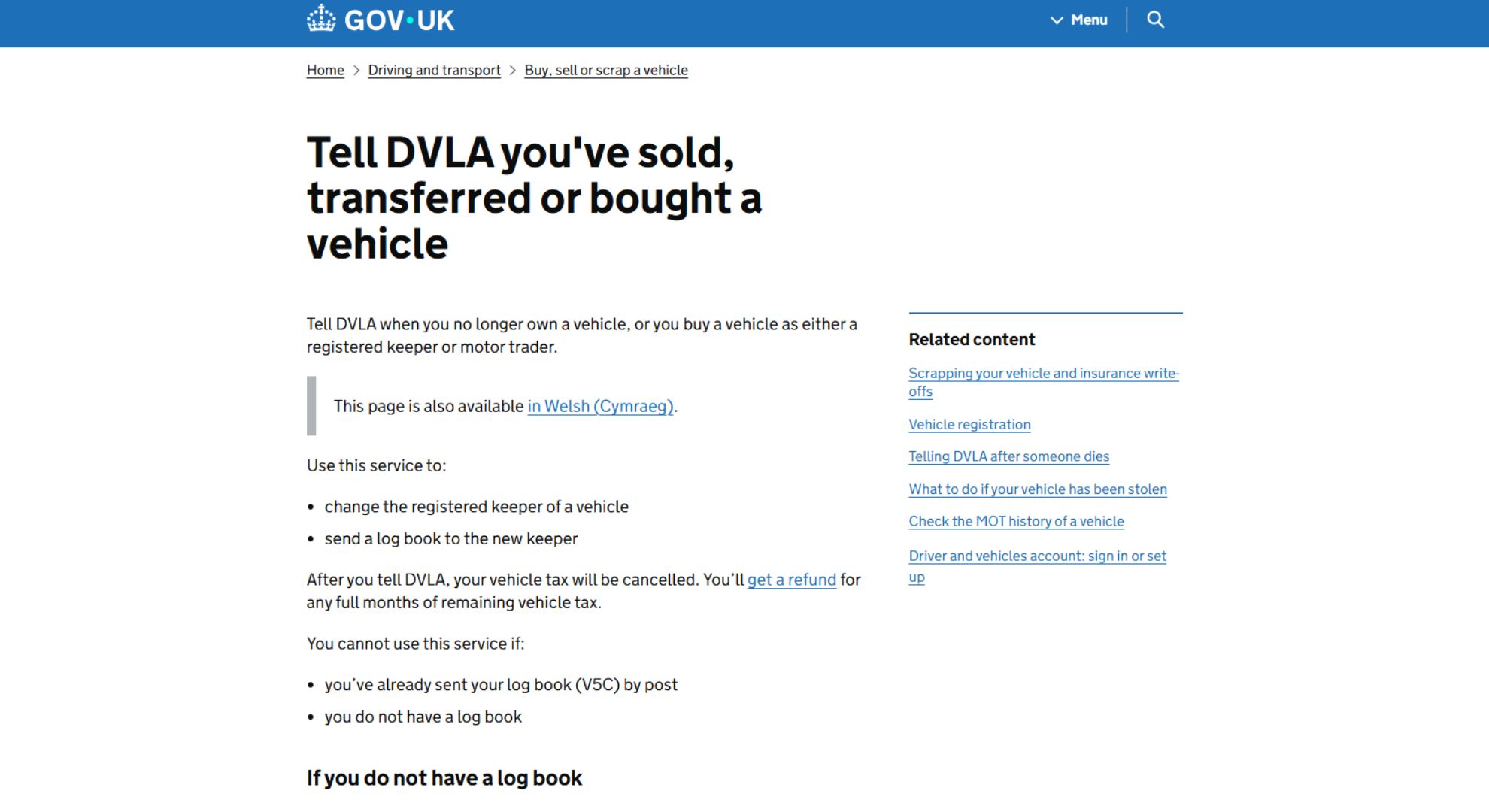
Transferring ownership is an essential part of the selling process. The easiest way to do this is via the DVLA website, where you can update the registered keeper details and DVLA will issue a new V5C to the buyer in due course.
Cancel or transfer your car insurance
After selling your EV or hybrid, cancel your existing insurance policy or arrange for it to be transferred to your new car. This stops you paying for cover you no longer need, and ensures you are not exposed if a claim is made against your policy following the sale.
Update your EV or PHEV charging accounts
This will prevent the new owner from accessing your paid accounts or your personal data.
Unlink smart chargers and EV apps
This will help to ensure no one can access your home charger remotely or view your energy data.
Evaluate your energy tariff
EV energy tariffs are designed for high overnight energy usage. If you no longer have an EV or plug-in hybrid, you might not benefit from the cheaper off-peak rate, and you could end up paying a higher-than-average rate for your daytime electricity.
Consider whether switching to a regular tariff could save you money.
Sell your EV or hybrid in under an hour with webuyanycar
Ready to sell your EV or hybrid? Enter your reg and mileage to get a free valuation from webuyanycar in under 30 seconds.
We buy hybrids and EVs of any make, model, and condition.
Get your free car valuation using our car valuation tool.
Frequently Asked Questions
No, it is not necessarily harder, but the used market operates differently. Petrol cars follow well-established residual value patterns, while buyers of used EVs and hybrids often have specific questions about battery health, real-world range, and charging infrastructure.
For a private seller, this can mean more preparation and more questions to field before agreeing a sale. Selling to a car buying service removes those steps entirely, as the condition, age, and history of the vehicle are not barriers to a sale.
The value of a hybrid or EV is calculated with many of the same valuation factors as a traditionally fuelled car, such as age, mileage, specification, and overall condition.
However, electrified vehicles have unique valuation variables:
Battery State of Health (SoH): the capacity of the battery to retain charge compared to when it was brand new.
Real-world range: a longer electric driving range directly increases market appeal and residual value.
Market trends: EV and hybrid technology is evolving rapidly, impacting market demand and depreciation for specific models relative to newer alternatives.
Yes, aside from standard vehicle prep, selling an electric or hybrid vehicle requires a few unique steps:
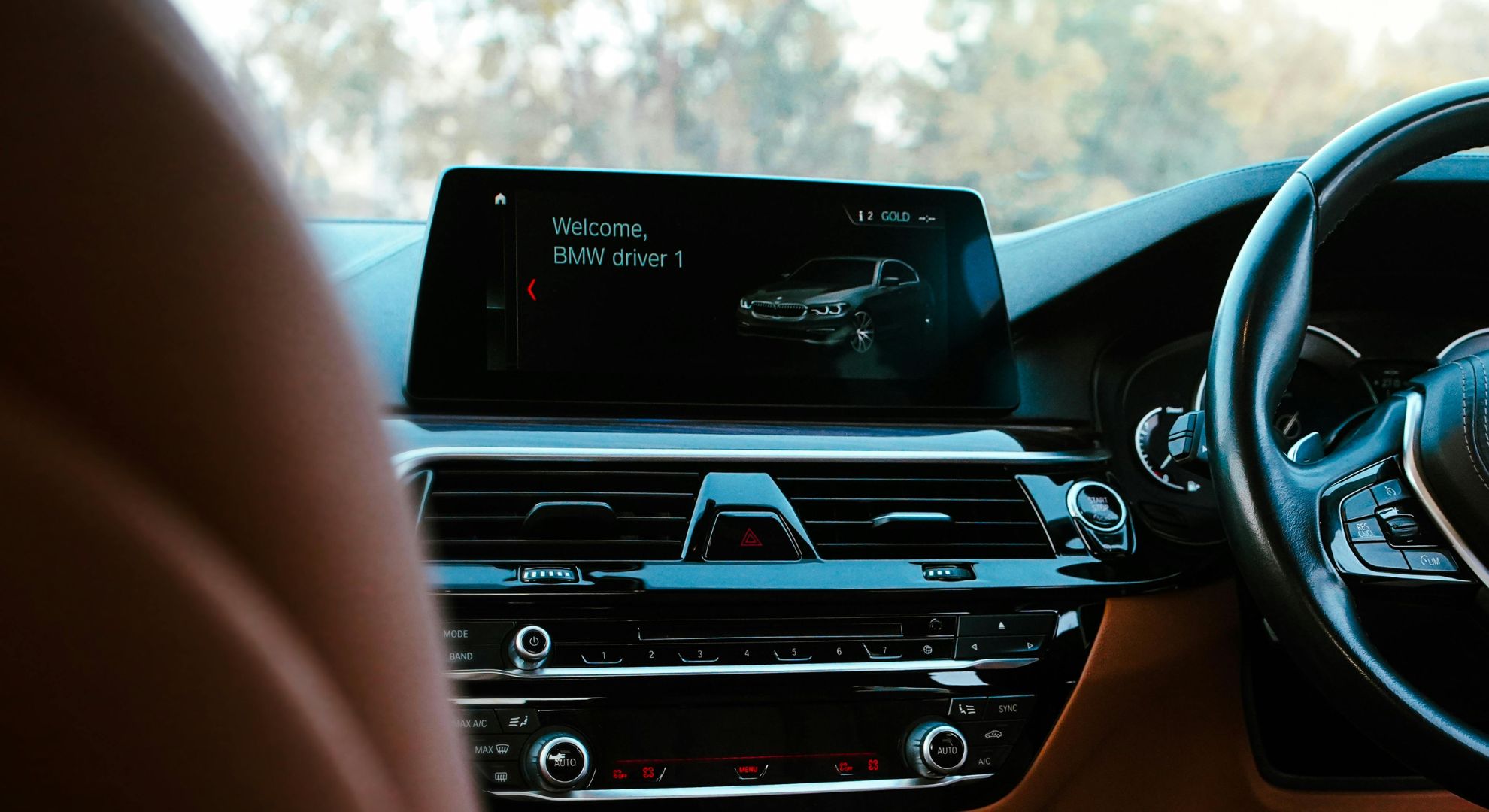
Unlink digital accounts: Perform a master reset on your infotainment console to protect your personal data, clear your EV charging station profile, and disconnect any linked smart home chargers or manufacturer apps.
Include charging accessories: Ensure the charging cables and standard charging units are clean and included with the car, as these are vital components for the next owner.
Evaluate your energy tariff: If you are not replacing your vehicle with another plug-in model, assess whether your home energy tariff still makes sense, as specialised overnight EV tariffs may no longer be cost-effective.
These are the documents you will need to have ready to sell your hybrid or electric vehicle:
- V5C logbook
- Service history and MOT certificates
- Battery health certificate
- Finance settlement document (if applicable)
- For more information, read our guide on the necessary documents for selling a car.
The decision should depend on your needs and priorities. Here are three key factors to consider:
- How long you have owned it. According to webuyanycar analysis of industry-standard CAP data (May 2026), hybrid depreciation is steepest in the first six years. By year 12, hybrid and petrol residual values have largely converged. If you are past that point, the financial case for selling on timing grounds alone is weaker.
- Battery health. If your battery's State of Health is declining noticeably, selling before degradation becomes visible in the valuation is likely the better financial decision given the cost of replacement.
- Your circumstances. A change in commute, family size, or driving patterns can shift whether a hybrid still suits your needs and may be the most practical reason to sell regardless of timing or battery condition.
The core distinction is how the wheels receive power and how the vehicle is refuelled.
Electric Vehicles (BEVs) are powered purely by one or more electric motors drawing electricity from a large onboard battery pack. They produce zero tailpipe emissions and must be charged from an external electrical source, either at home or via the public charging network.
Hybrid cars combine a conventional petrol or diesel engine with an electric motor, but the three main hybrid types work in meaningfully different ways:
- Mild Hybrids (MHEVs) pair a conventional engine with a small electric motor that assists during acceleration and recovers energy through regenerative braking. The electric motor cannot power the car on its own; it acts purely as a support system for the combustion engine.
- Full Hybrids (HEVs) can run on the combustion engine, the electric motor alone, or a combination of both. The electric-only range is limited to low speeds and short distances, typically in urban driving. The battery charges itself through regenerative braking and the engine; there is no need to plug in.
- Plug-in Hybrids (PHEVs) carry a larger battery that can be charged from an external power source. This gives a meaningful electric-only range before the combustion engine takes over for longer journeys, though the exact range varies by model.